
A food plant swallows a lot of money before the first batch ships: land, building, production lines, utilities. Feasibility is the stage where you check that this money is pointed in the right direction.
Nitin Aras is an engineering-led food processing project consultant with 30+ years in project engineering. He helps businesses across India size up new plants, expansions, new products and upgrades before anything is bought.
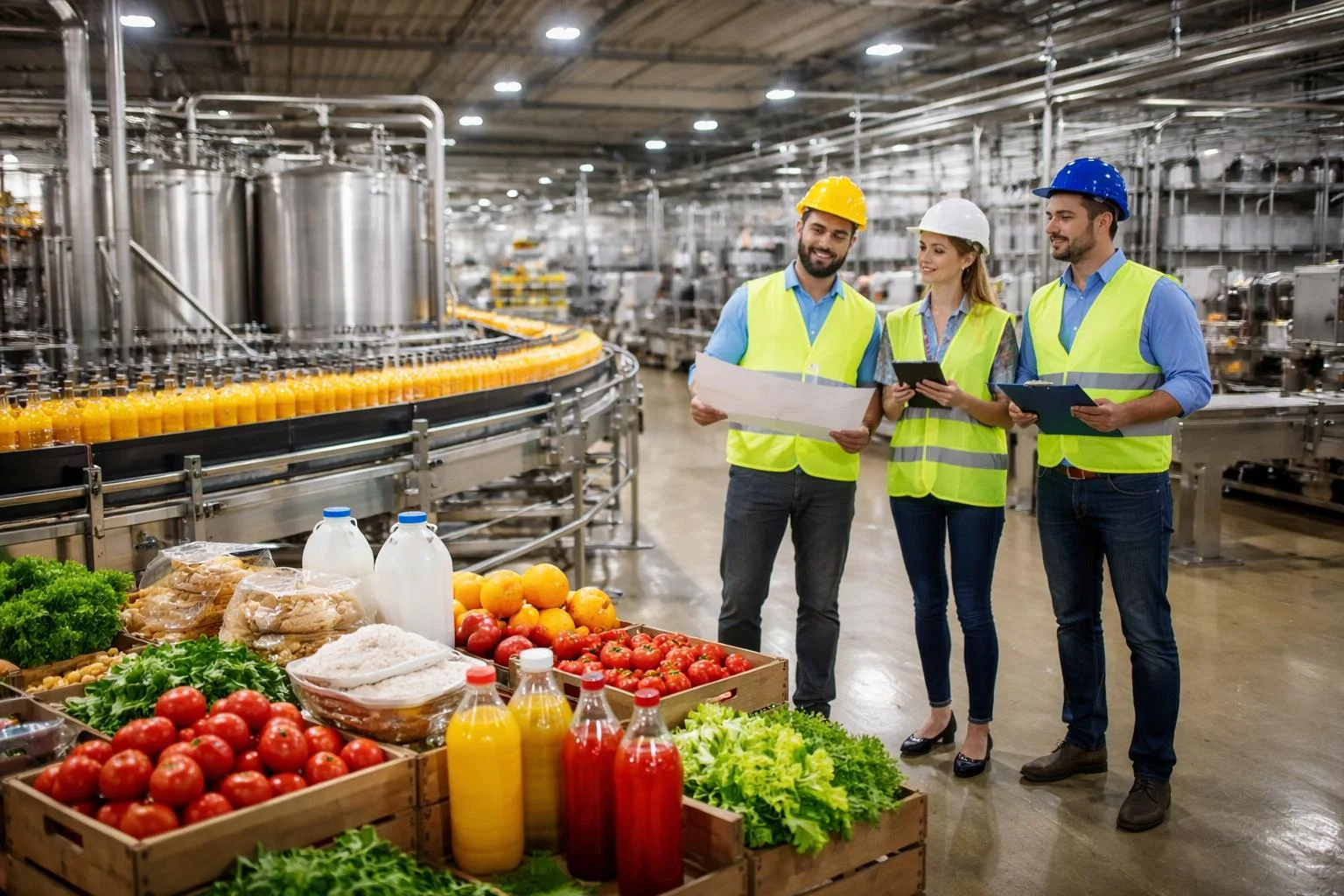
Food processing project feasibility is the process of evaluating whether a proposed project can be developed and operated in line with its technical, operational, and commercial objectives. It helps businesses understand what the project requires before committing to major investments in land, machinery, infrastructure, and production facilities.
A project may look promising from a market perspective, but its success also depends on the right processing technology, suitable equipment, achievable production capacity, and adequate infrastructure. These factors need to be considered together rather than treated as separate decisions.
At Nitin Aras, we look at food processing projects from an engineering and planning perspective. The focus is on understanding the proposed product, production process, equipment, and infrastructure requirements so that the project has a clearer direction before moving into the next stage.
No two Food Processing Projects have exactly the same requirements. A new manufacturing facility will have different planning needs from an existing plant that wants to introduce another product or increase production.
Our evaluation focuses on the main factors that influence how a project can be developed, from the product idea and expected demand to equipment, infrastructure, and investment requirements.
Every project starts with a product or a business objective. A manufacturer might want to process a new food product, enter another market, or increase output from an existing facility. We begin by understanding what the project is expected to achieve, which products are involved, and what the proposed operation will need. These details provide the basis for deciding which processing methods, equipment, and facilities may be suitable.
Expected demand has a direct bearing on how much a food processing plant should produce. Planning for a large output without enough demand can leave equipment underused, while a facility with limited capacity may struggle if orders increase. The proposed market, competing products, expected demand, and scope for growth all deserve attention during project planning. These factors should be considered alongside the practical limits of the proposed production setup.
The right processing technology depends on the product and the way it needs to be manufactured. Different products may require different processing stages, operating conditions, and equipment arrangements. We review the proposed process and the technology that may be suitable for it. This gives the project a technical starting point and helps identify equipment requirements that need closer examination. Choosing machinery before understanding the process can create avoidable problems. Equipment may not suit the intended output, or additional systems may be needed to support the production line.
How much should the plant produce per hour, shift, or day? The answer affects machinery selection, space requirements, utilities, and the investment needed to establish the facility. Capacity planning starts with the intended production volume and the demand the business expects to serve. For an operating plant, it is also important to understand whether the current equipment and supporting systems can handle an increase in output. Future requirements matter too. If expansion is likely, the initial plan should take into account the additional space, equipment, and infrastructure that may eventually be needed.
Machinery is only one part of a food processing facility. The plant also needs suitable space, utilities, storage, and arrangements for moving materials through different stages of production. Site conditions and layout requirements should be considered alongside the proposed process. Raw materials need to reach the relevant production areas, while finished products require appropriate handling and storage arrangements. Reviewing these needs during feasibility planning gives the project team a better understanding of the facility required to support the intended operation.
The investment required for a food processing project extends beyond the purchase of machinery. Plant infrastructure, utilities, storage, installation-related requirements, and ongoing operating costs may also influence the overall commercial picture. A feasibility assessment reviews the major cost considerations within its agreed scope and relates them to the proposed production capacity and business objectives. This provides a more useful starting point for evaluating the project than looking at equipment prices alone.
Some project challenges become apparent only when the different requirements are examined together. The proposed equipment may need more utility capacity than the site can provide, or the available space may not suit the planned production arrangement. Other concerns may involve production limitations, equipment compatibility, material movement, or restrictions on future expansion. Identifying these issues before the project advances gives the business an opportunity to reconsider its plans, investigate alternatives, or address gaps that could otherwise create difficulties later.
A project idea often begins with a broad objective: launch a product, build a new plant, or increase production. Turning that objective into a workable plan requires a closer look at the technical and commercial details.
At Nitin Aras, the planning process follows the needs of the proposed project.
1. Project Concept Assessment
We start with the basics: what the business wants to produce, why the project is being considered, and what the proposed facility needs to achieve. This discussion establishes the project scope and highlights the questions that need answers before more detailed planning begins.
2. Technical Assessment
Once the concept is clear, attention turns to the production process. The product, processing stages, technology options, and equipment requirements all influence how the facility will need to operate. Reviewing these elements together helps establish a suitable technical direction and identify matters that require further investigation.
3. Capacity & Infrastructure Assessment
Production targets need to match the capabilities of the proposed facility. This stage looks at equipment capacity, available space, utilities, storage, and other supporting requirements relevant to the project. For an existing plant, the review also considers whether its current setup can accommodate the proposed changes or whether additional infrastructure may be necessary.
4. Commercial Evaluation
Technical requirements have a direct effect on project investment and operating costs. Equipment choices, facility requirements, and production capacity all influence the commercial considerations. These factors are reviewed in relation to the project's objectives, with particular attention to the areas that need further evaluation before an investment decision is made.
5. Risk & Opportunity Assessment
A closer review may reveal infrastructure limitations, production bottlenecks, equipment constraints, or opportunities to improve the proposed setup. The aim is to bring these matters to light while the project is still being planned, when changes to the concept may be easier to consider.
6. Project Recommendation
The final stage brings together the key findings and identifies the next steps for the project. Recommendations depend on the assessment and the information available. They may highlight technical priorities, unresolved questions, or areas that need more detailed planning before the project moves forward.
An idea for a new food product or manufacturing facility needs more definition before it can become a practical project. What will the plant produce? Which processing stages will be required? How much output is expected, and what equipment and infrastructure will support it?
Project concept development brings these questions into focus. It helps connect the business objective with the technical requirements of the proposed operation.
Nitin Aras supports food processing projects at this planning stage, whether the business is starting from scratch or considering changes to an existing facility.
The level of planning depends on the project. Some businesses need help defining an initial concept, while others already have a clear proposal and need to examine its technical requirements more closely.
This work may involve:
New food processing projects
Defining the initial requirements for a proposed facility, including the product, process, capacity, and supporting infrastructure.
New product ideas
Exploring the processing requirements involved in bringing another product into production.
New production lines
Understanding how an additional line may fit into an existing plant and what changes it could require.
Plant expansion
Reviewing the existing setup alongside the proposed increase in production or facility size.
Capacity enhancement
Considering the equipment, utilities, and space needed to support higher output.
Plant modernization
Reviewing existing production arrangements to identify equipment or infrastructure that may need upgrading or reconsideration.
Adding a new product can open up another market for a food manufacturer, but it may also change how the existing plant needs to operate. A new product could require different processing equipment, additional storage, changes to the production sequence, or greater utility capacity.
For manufacturers considering these changes, a food processing diversification consultant can help examine the engineering and facility requirements before the business commits to a new setup.
Nitin Aras approaches diversification and expansion through the practical needs of food manufacturing operations.
Before adding another product, a manufacturer needs to understand how it will fit into the current facility. Some products may work with existing equipment, while others may require a different process or additional machinery. The review considers product requirements, compatibility with current operations, and any changes needed to equipment, storage, or infrastructure.
Adding a production line involves more than finding space for another machine. The new line must fit into the existing production arrangement and have access to the utilities and supporting systems it requires. Equipment positioning, material movement, available floor space, and the effect on current operations are all relevant when planning the expansion.
An increase in production can place additional demands on the entire facility. Processing equipment may need an upgrade, but utilities, storage, and material handling can also become limiting factors. Reviewing these requirements helps establish what the plant can support and which areas may need attention before production is increased. Where further growth is anticipated, future requirements can also be considered during the planning stage.
Growth in food manufacturing often brings technical decisions that need careful consideration. A company may want to introduce a new product range, increase its daily output, or expand an existing plant to serve a larger market. Each option has different implications for production, equipment, infrastructure, and investment. A strategic business growth consultant with a food processing focus can help connect these decisions with the practical requirements of the facility.
At Nitin Aras, the emphasis is on engineering-led project planning, giving manufacturers a clearer basis for evaluating the technical side of their growth plans.
Food processing projects can involve anything from a new facility to changes within an operating plant. The areas requiring attention depend on the proposed work and the capabilities of the existing setup.
Greenfield Food Processing Projects
Planning a new facility starts with the proposed product, production process, required capacity, and supporting infrastructure.
Existing Plant Expansion
An operating plant may need additional space, equipment, or utility capacity to support increased production.
Product Diversification Projects
Introducing another product requires a review of its processing needs and compatibility with the current facility.
New Production Line Projects
A new line must be considered in relation to equipment requirements, floor space, utilities, and existing production activities.
Plant Modernization Projects
Changes to machinery, processing arrangements, or infrastructure may be considered when reviewing an older or less suitable production setup.
Capacity Enhancement Projects
Increasing output requires a closer look at equipment capabilities and the systems that support daily operations.
Food Processing Incubation & CFC Projects
Incubation centres and Common Facility Centres may require planning for shared processing equipment, utilities, space, and the needs of their intended users.
The starting point for each project is the same: understand the proposed work, identify the main requirements, and determine which areas need closer attention.
A food processing plant is a connected system. A change in one area can affect several others.
For example, a target production volume influences the equipment required. That equipment affects the plant layout, power and utility needs, and space available for storage. These requirements, in turn, influence investment and the options available for future expansion.
Looking at these connections early can reveal issues that might be missed when each decision is made separately.
An engineering-led feasibility assessment helps clarify what the proposed process requires, whether the planned capacity fits the intended setup, and where infrastructure limitations may arise. It also brings future expansion into the discussion before the initial design and investment decisions are finalized.
Feasibility cannot guarantee that a project will succeed commercially. What it can do is provide a more informed basis for decisions by examining the practical requirements, constraints, and opportunities associated with the project.
The support depends on the type of project and the areas that need to be examined. It may cover:
The scope is discussed according to the project’s requirements and the information available at the time of assessment.
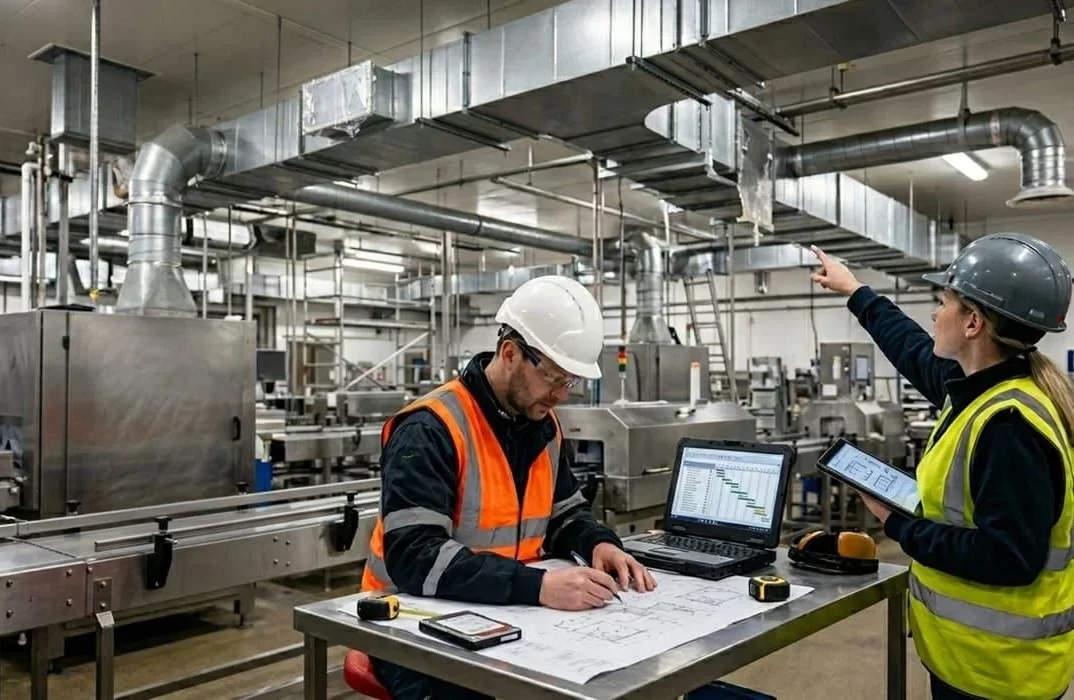
A food processing feasibility consultant evaluates the key factors involved in developing a food processing project. This may include the proposed product, processing technology, equipment requirements, production capacity, infrastructure, investment considerations, and potential project risks. The assessment helps a business understand whether its proposed project is practical and what needs further evaluation before moving ahead.
Ideally, feasibility should be assessed before making major commitments to land, machinery, plant infrastructure, or production capacity. An early assessment helps clarify project requirements, identify potential limitations, and evaluate important decisions before they become difficult or expensive to change.
Yes. An existing facility can be evaluated to understand its current production capabilities, equipment limitations, available space, utility requirements, and infrastructure needs. This information can help identify the considerations involved in increasing production capacity, adding new lines, or expanding the facility.
Yes. Product diversification can be evaluated from an engineering and project planning perspective. The assessment may consider the processing requirements of the proposed product, compatibility with existing operations, additional equipment, storage needs, and supporting infrastructure. These factors help determine what changes may be required to accommodate the new product.
The appropriate production capacity depends on expected demand, production objectives, processing requirements, equipment capabilities, and the resources available to support operations. Future growth plans should also be considered. Evaluating these factors together helps establish a more realistic basis for capacity planning.
Plant layout and engineering-related considerations can form part of a feasibility assessment, depending on the agreed scope. These may include space requirements, equipment positioning, material movement, utility needs, and the relationship between different production areas. The level of planning required depends on the project's stage and objectives.
The starting information typically includes a brief description of the project, the proposed products, production objectives, expected capacity, target market, and any known site or infrastructure details. For an existing facility, information about current equipment and production arrangements may also be useful. The exact requirements depend on the nature and stage of the project.
You can discuss your food processing project requirements with Nitin Aras to understand the scope of support available for your location and project type. The proposed work can be considered based on the project's objectives, technical requirements, and the information available for evaluation.
Have a food processing project idea, an expansion plan, or an opportunity to diversify your existing operations? Get engineering-led guidance to evaluate the concept, understand the key requirements, and plan the next stage of your project with greater clarity.

contact@nitinaras.com

Phone:
+91 98932 02509